
IThe difference between an expense and a strategic investment becomes incredibly clear when you begin renovating a property. While it is always tempting to focus your budget solely on visible cosmetic upgrades like kitchen cabinets or bathroom tiles, true property value is built by balancing aesthetics with robust infrastructure. Strategic home renovations not only improve your daily quality of life and lower your monthly carrying costs, but they also offer a tangible return on investment when it is time to sell.
A beautifully painted home is worthless if the roof is leaking, and a pristine lawn quickly loses its charm if the underground plumbing is failing and requires emergency intervention from drain cleaning contractors. To successfully navigate the modernization of your property, you must adopt a holistic approach. This means pairing visual curb appeal updates with vital, unseen structural improvements to ensure the home remains safe, functional, and highly efficient.
The best way to achieve this without exhausting your finances is to create a phased renovation timeline. Prioritize projects over a multi-year plan, addressing the exterior building envelope and critical underground utilities first, followed by interior efficiency and outdoor living enhancements. This systematic approach allows you to avoid financial strain while continually increasing the property’s overall market value.
Evaluate the Roof’s Lifespan and Upgrade Storm Resistance
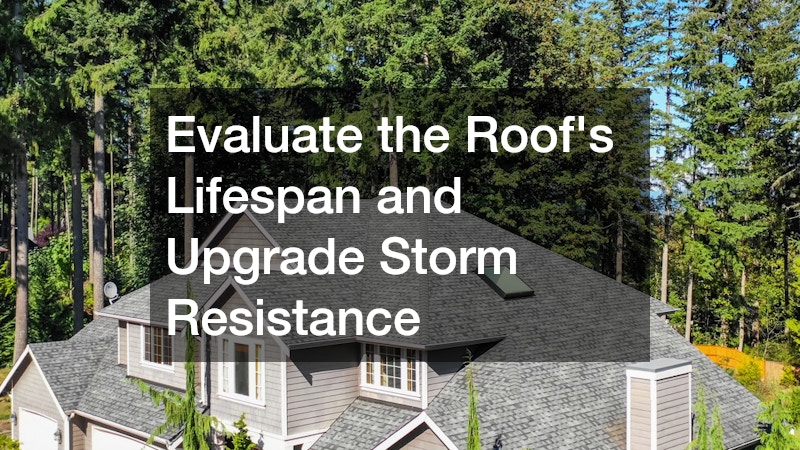
The roof is your home’s primary line of defense against the elements, yet it is often ignored until water is actively dripping through the ceiling. Assessing the health of your roof requires a proactive approach. Start by checking your gutters for heavy granular loss; when asphalt shingles begin to deteriorate, they shed their protective sand-like coating into the rainwater runoff. Additionally, step back to the curb and inspect the roofline. Any visible sagging or dipping indicates that the underlying plywood decking is rotting or that the structural trusses are failing under the weight of moisture.
If your current asphalt roof is nearing the end of its fifteen to twenty-year lifespan, replacing it with the same material is often a missed opportunity. Transitioning to a highly durable steel or aluminum roofing system offers immense structural and financial benefits. These systems easily last fifty years or more, effectively making them a lifetime roof.
- Check for Granular Loss and Sagging:
Look for curling shingle edges, missing tabs after a windstorm, and heavy moss growth, which acts like a sponge holding moisture against the decking. - Upgrade for Insurance Benefits:
Because steel and aluminum systems are highly resistant to fire, hail, and hurricane-force winds, upgrading can drastically lower your long-term homeowner insurance premiums. To ensure you receive these structural and financial benefits, you must rely on specialized metal roofing contractors who are trained in installing modern hidden-fastener standing seam systems.
Modernize Exterior Walls to Defend Against Moisture
Your home’s exterior cladding does much more than dictate its architectural style; it manages moisture, deflects wind, and prevents pests from infiltrating the wall cavities. Analyzing your home’s current exterior requires looking closely for subtle signs of failure. If you have older wood clapboard, probe the bottom edges with a screwdriver to check for soft, rotting wood. For older vinyl, rub your hand across the surface; a heavy, chalky residue means the material is oxidizing and becoming brittle, leaving it highly susceptible to cracking during the next hailstorm or freeze cycle.
Replacing failing cladding is one of the highest-ROI projects a homeowner can undertake. Modern materials offer incredible durability without sacrificing historical charm or aesthetic appeal.
- Inspect for Wood Rot and Chalking:
Walk the perimeter of your home annually. Look for peeling paint, warped boards that are pulling away from the studs, and areas where woodpeckers or insects have penetrated the barrier. - Choose High-Performance Materials:
Upgrading to modern fiber-cement boards or insulated vinyl instantly modernizes an outdated facade. Fiber-cement is impervious to termites and rot, while insulated vinyl adds an extra layer of thermal protection. When scheduling new siding installs, ensure the crew also replaces the underlying house wrap and window flashing to completely seal the home against severe weather and moisture intrusion.
Seal the Thermal Envelope to Eliminate HVAC Drafts
A home that looks beautiful on the outside can still be incredibly uncomfortable and expensive to live in if the thermal envelope is compromised. In older homes, heated and cooled air constantly escapes through poorly insulated attics, unsealed wall cavities, and gaps around plumbing penetrations. This forces your HVAC system to run continuously, driving up your monthly utility bills and putting unnecessary wear and tear on the blower motor.
Finding these leaks often requires a professional energy audit, complete with a blower door test and thermal imaging, to pinpoint exactly where the expensive conditioned air is escaping into the atmosphere.
- Locate Attic and Wall Cavity Leaks:
The most significant energy loss usually occurs in the attic where the roof meets the top plate of the walls. Look for dirty fiberglass batt insulation, which indicates that air is actively pulling dust through the fiberglass as it leaks out of the house. - Create an Airtight Barrier:
To truly secure the envelope, upgrading to expanding spray foam insulation is a game-changer. Unlike traditional fiberglass that only slows heat transfer, this expanding material fills every microscopic crack and void, creating a dense, airtight, and moisture-resistant barrier. This upgrade significantly drops monthly energy bills, improves indoor air quality by blocking outdoor allergens, and stabilizes indoor temperatures in every room year-round.
Regulate Natural Light to Protect Interior Finishes
Natural light makes a home feel expansive and welcoming, but uncontrolled solar gain can be highly destructive. The ultraviolet rays pouring through your windows act as a slow-motion bleaching agent. Over the course of a few years, intense sunlight will permanently fade expensive hardwood floors, ruin the upholstery on custom furniture, and damage priceless artwork. Furthermore, unmitigated solar heat gain in the summer forces your air conditioning to work overtime, while bare glass in the winter allows radiant heat to escape into the freezing night.
You do not necessarily need to spend tens of thousands of dollars completely replacing your windows to solve this problem. Strategic interior modifications can provide massive thermal and protective benefits while keeping the original architectural glass intact.
- Block Harmful Summer UV Rays:
Protecting your interior finishes requires intercepting the UV rays before they hit your floors. Look into modern solar shades, cellular blinds, or heavy drapery that can be adjusted based on the sun’s position throughout the day. - Improve Thermal Efficiency:
Selecting high-quality window treatments can effectively trap winter heat inside and block summer heat out. Motorized options tied to a smart home hub can automatically lower the shades during the hottest part of the afternoon, elevating the aesthetic of your living spaces while acting as a highly effective, passive climate control system.
Resurface the Driveway to Fix Drainage and Tripping Hazards
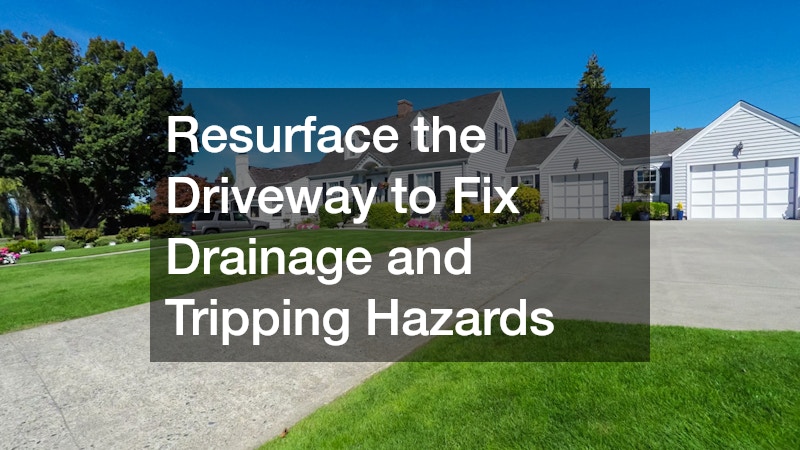
The driveway is one of the most heavily utilized surfaces on your property, yet it is rarely thought of as a structural component. A failing driveway is more than just an eyesore; it is a serious safety liability and a primary cause of foundation water damage. When asphalt degrades, it loses its flexibility and begins to crack. Water seeps into these cracks, freezes during the winter, and expands, blowing out large chunks of the surface and creating deep potholes.
More importantly, as a driveway sinks over time, the pitch often reverses. Instead of shedding rainwater out toward the street, a sunken driveway funnels bulk water directly against your garage doors and foundation walls, leading to interior flooding and structural settling.
- Assess Cracks and Pooling Water:
After a heavy rain, inspect your driveway. If you see large puddles standing in the center of the asphalt or water pooling directly against the concrete foundation of the house, the grading has failed. - Re-Grade and Lay Fresh Surfaces:
Patching a failing driveway with bagged filler is a temporary aesthetic fix. You must hire a professional paving contractor to excavate the damaged asphalt, properly grade the crushed stone sub-base to ensure water flows away from the home, and lay a thick, fresh surface. This investment instantly boosts curb appeal and eliminates dangerous tripping hazards for your family and guests.
Transition to Drought-Proof, Low-Maintenance Yards
The traditional American dream includes a sprawling, manicured green lawn, but the reality of maintaining that grass is often a nightmare of endless chores and skyrocketing utility bills. In regions prone to drought, extreme heat, or strict water conservation mandates, keeping natural grass green requires thousands of gallons of municipal water, expensive irrigation systems, and a constant application of chemical fertilizers and pesticides.
Homeowners are increasingly realizing that the financial and environmental drain of maintaining a traditional lawn outweighs the aesthetic benefits. Transitioning to modern synthetic alternatives offers a way to maintain a pristine landscape without the relentless weekend labor.
- Cut High Water and Fertilizer Costs:
Review your summer water bills and add up the cost of lawn care services, fertilizers, weed killers, and mower maintenance. The cumulative cost of keeping natural grass alive is staggering. - Create a Permanent Play Surface:
Replacing struggling grass with a premium artificial grass installation provides a lush, vibrant yard all year long. Modern synthetic turf is engineered with advanced drainage backing and UV-resistant fibers that look incredibly realistic. It saves thousands of gallons of water annually, eliminates the need for toxic lawn chemicals, and creates a highly durable, mud-free play surface for pets and children.
Build Protected Outdoor Rooms for Year-Round Entertaining
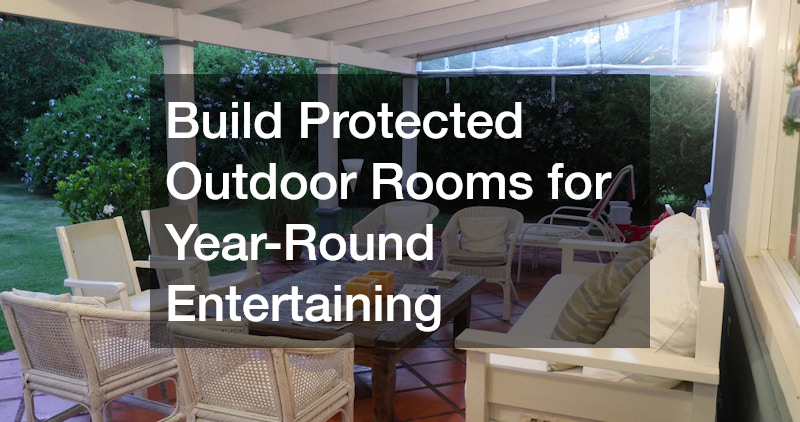
Expanding your home’s footprint does not always require pouring a massive concrete foundation and framing new interior walls. Maximizing your existing patio or deck is one of the most cost-effective ways to increase your functional living space. However, an open, uncovered patio is often rendered useless by the realities of nature. Blistering afternoon sun, sudden rainstorms, aggressive mosquitoes, and a constant barrage of falling leaves and debris can quickly drive your family back indoors.
To truly blur the line between indoor comfort and outdoor living, you need to enclose the space, creating a protected sanctuary that can be utilized regardless of the weather or insect activity.
- Blur the Line Between Indoors and Outdoors:
Consider how you want to use the space. A well-designed outdoor room can serve as an alfresco dining area, a shaded reading nook, or a safe, enclosed play area for toddlers that is protected from harsh UV rays. - Eliminate Pests and Leaf Debris:
Consulting with experienced screen enclosures companies allows you to custom-design a durable lanai or patio cover tailored to your home’s architecture. Using heavy-duty aluminum framing and “no-see-um” mesh screens, these structures allow you to enjoy cool evening breezes and entertain guests without the nuisance of mosquito bites or the daily chore of sweeping pine needles off the patio furniture.
Audit Mature Trees to Prevent Structural Damage
Mature, towering trees add immense character, shade, and value to a property. However, they are living organisms that eventually decay, become diseased, or grow too large for their environment. A massive oak or maple tree positioned too close to your home represents a severe existential threat to your property’s structural integrity. During a severe thunderstorm, hurricane, or heavy winter ice storm, a weakened sixty-foot tree can easily snap, crushing your roof, destroying your vehicles, and causing catastrophic structural damage to the home’s framing.
Furthermore, aggressive, water-seeking root systems spread outward beneath the soil, quietly cracking concrete foundations, lifting driveways, and crushing underground sewer lines over decades of growth.
- Spot Internal Rot and Canopy Leaning:
Perform a seasonal visual audit of the mature trees on your property. Look for dead, leafless branches in the upper canopy, deep vertical cracks in the trunk, aggressive leaning toward the house, or fungal mushroom growth at the base, which indicates the internal core of the tree is rotting. - Mitigate Hazards Before Storm Season:
You cannot afford to wait for a storm to expose a weak tree. Proactively hiring professional tree removal services to safely dismantle hazardous timber is critical. Removing these threats before storm season hits protects your roof, siding, and foundation from devastating impact damage and costly insurance claims.
As you systematically complete these projects over the years, it is absolutely essential to maintain a dedicated maintenance binder. Keep every contractor invoice, building permit, material warranty, and before-and-after photograph neatly organized in one place. Whether the records are for a massive outdoor renovation or essential septic repairs, when it comes time to refinance or sell, this binder serves as undeniable proof of the home’s deeply upgraded value, giving future appraisers and buyers complete confidence in the property.
Ultimately, however, you should encourage yourself to tackle these upgrades not just for the eventual resale value, but to create a safer, highly efficient, and incredibly comfortable sanctuary for your family to enjoy right now. By investing in the unseen infrastructure and the visible aesthetics alike, you guarantee that your home will remain a source of pride and peace of mind for decades to come.