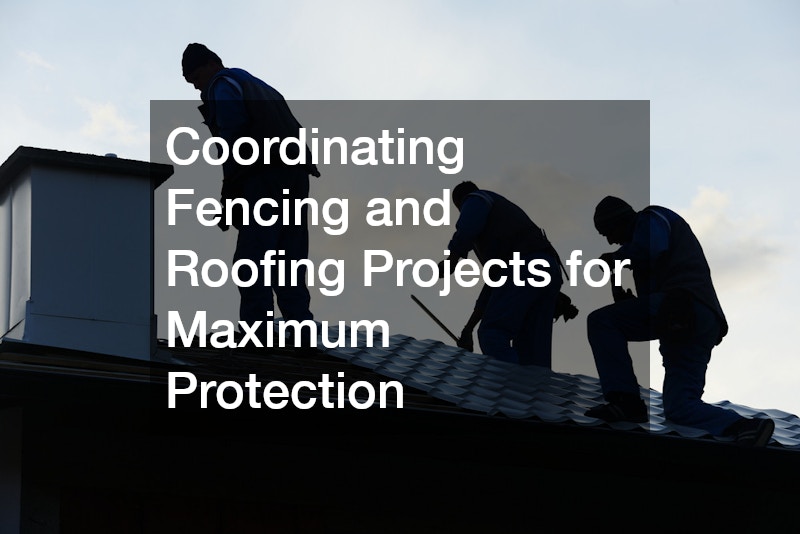

Every homeowner understands the importance of protecting their investment. Two key components that contribute significantly to home safety, privacy, and value are fencing and roofing. While often thought of separately, both play crucial roles in creating a secure, durable, and aesthetically pleasing property. Fences define boundaries, enhance privacy, and improve curb appeal, while roofs shield the structure from weather, provide insulation, and maintain structural integrity. Beyond basic protection, these elements can also influence energy efficiency, noise reduction, and even property resale value, making them essential considerations in any home improvement plan.
Effective home protection goes beyond choosing materials; it requires planning, selecting the right professionals, and maintaining systems over time. Poor decisions regarding materials, contractors, or installation can compromise safety, increase costs, and shorten the lifespan of these critical features. By understanding how to select, install, and maintain fencing and roofing, homeowners can create a living environment that is both functional and secure. A comprehensive approach also ensures that all aspects of the home work together, preventing gaps in protection and maximizing long-term performance.
Strategically planned fencing and roofing also contribute to long-term energy efficiency and comfort. For example, proper roof maintenance can prevent heat loss in winter and minimize cooling costs in summer, while a well-designed fence can reduce wind exposure and create shaded areas that lower outdoor temperatures. Thoughtful placement and orientation of fences can even improve garden microclimates and reduce soil erosion, while roof designs can enhance ventilation and reduce moisture accumulation. These features enhance the overall livability of the home while protecting it from environmental stressors.
Additionally, fences and roofs play an essential role in neighborhood cohesion and property aesthetics. A thoughtfully chosen fence complements home architecture and landscaping, creating a cohesive appearance that elevates curb appeal. Similarly, a roof that matches the home’s design and materials enhances visual appeal while ensuring functional durability. In combination, these elements safeguard not only the home’s physical structure but also its long-term value. Well-executed fencing and roofing projects also signal pride of ownership and careful maintenance, contributing positively to the surrounding community.
This guide delves deeply into the practical aspects of home protection through fencing and roofing, offering actionable advice for homeowners. From material selection and contractor evaluation to maintenance strategies and repair timing, the goal is to provide comprehensive guidance to make informed decisions that maximize home safety, longevity, and overall satisfaction. These improvements not only protect your property but also contribute to a more comfortable, efficient, and visually appealing home environment. By considering these systems as integral components of overall home design, homeowners can ensure their investment is safeguarded for years to come.
Choosing the Right Fence for Longevity and Security
Selecting the right fence is a critical first step in home protection. Beyond aesthetics, a well-chosen fence provides privacy, defines property lines, and serves as a barrier against intruders or wildlife. Poor material selection or inexperienced installation can reduce these benefits and increase maintenance costs over time.
Assessing Material Options for Durability
When choosing a fence, material plays a crucial role in longevity and performance. Composite fence materials have gained popularity for their durability and low maintenance requirements. Unlike traditional wood, composite fencing resists rot, pests, and weather-related damage. It is also available in a variety of textures and colors, allowing homeowners to achieve a custom look without frequent upkeep. Composite fences often include UV-resistant coatings that prevent fading and maintain aesthetic appeal over the years.
Wood fencing, on the other hand, offers natural beauty and versatility. Custom wood fence options allow for a tailored design, fitting specific yard layouts and architectural styles. However, wood requires ongoing maintenance, including staining, sealing, and occasional repairs, to maintain its appearance and structural integrity. Choosing the right type of wood, such as cedar or redwood, can increase durability while minimizing maintenance needs. Additionally, homeowners should consider environmental factors, such as exposure to sun, wind, and moisture, which can affect wood longevity.
Other considerations include fence height, spacing, and panel thickness, all of which affect security and privacy. For example, taller fences with tightly spaced slats are more effective for privacy and safety, while shorter fences may be sufficient for decorative purposes or to delineate property boundaries. The selection of gates, hardware, and posts further influences durability and ease of use. Planning for long-term performance ensures that the investment protects the home effectively.
Finding and Evaluating Professional Contractors
Hiring skilled professionals is essential for a durable and correctly installed fence. Experienced fence contractors can provide guidance on material selection, design, and installation, ensuring compliance with local building codes. They also have the tools and expertise to handle complex terrain or custom designs. By working with knowledgeable professionals, homeowners minimize the risk of installation errors that could lead to structural weaknesses or early damage.
Key considerations when evaluating contractors include:
- Checking references and reviews from previous clients
- Verifying licenses, insurance, and bonding
- Requesting detailed estimates that outline materials, labor, and timelines
- Assessing their experience with specific materials, such as composite or custom wood fencing
A reliable contractor can also advise on additional features, such as decorative finishes, gates, and privacy options. Establishing clear communication and expectations before the project begins ensures smoother execution and better long-term results. Partnering with reputable fence contractors guarantees that the investment will provide long-lasting value, aesthetics, and functionality.
Planning and Executing Fence Installation Properly
Successful fencing projects require careful planning and professional execution. Proper fence installation not only improves appearance but also ensures durability and functionality for years to come.
Preparing Your Property for Installation
Before any installation begins, homeowners should assess their property to ensure the project proceeds smoothly. Steps include:
- Marking property boundaries to avoid disputes
- Checking local regulations or homeowners’ association guidelines
- Clearing existing vegetation or old fencing
- Evaluating soil type, terrain, and drainage patterns to prevent post movement or water damage
Preparation also includes identifying potential obstacles such as underground utilities or uneven terrain, which can impact installation strategy. Proper site preparation minimizes delays and ensures a safe, efficient installation. Additionally, planning for gate placement, access points, and integration with landscaping enhances the overall usability and appearance of the fence.
Installation Best Practices
Professional fence installation involves several critical steps:
- Properly measuring and leveling posts to maintain alignment
- Ensuring concrete footings are used for stability, especially in softer soil
- Attaching panels securely to prevent sagging or movement
- Installing gates with precise alignment to ensure smooth operation
For custom wood fence projects, collaboration with the contractor is essential to achieve the desired design while maintaining structural integrity. Correct installation directly influences the fence’s lifespan, performance, and resistance to weather. Consideration of slope, drainage, and post spacing is critical to preventing long-term issues such as leaning posts or water damage.
Maintenance Tips for Long-Term Performance
Even the most durable fences benefit from routine maintenance. Key practices include:
- Regular inspections for rot, insect damage, or loose boards
- Cleaning composite fences to prevent mold or debris buildup
- Re-staining or sealing wood fences annually or as needed
- Lubricating gate hardware to maintain smooth operation
Proactive maintenance helps prevent small issues from escalating into costly repairs, extending the fence’s useful life. Additionally, seasonal maintenance allows homeowners to address minor damage before weather extremes exacerbate problems, ensuring that the fence continues to provide security, privacy, and aesthetic appeal.
Enhancing Privacy and Functionality
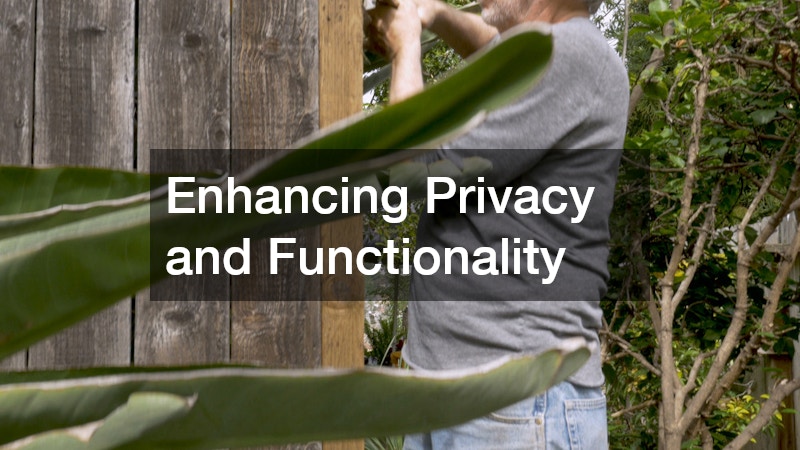
A fence should do more than define property lines; it should provide privacy, enhance functionality, and complement the home’s design.
Creating Privacy Without Sacrificing Style
Privacy fence installation requires careful consideration of height, spacing, and design. Solid panels offer maximum privacy but may block airflow or light, while slatted designs provide a balance of seclusion and openness. Incorporating natural landscaping, such as hedges or climbing plants, can further enhance privacy while adding aesthetic appeal. Selecting finishes and colors that complement the home’s exterior creates a cohesive and attractive environment. Homeowners should also consider the long-term maintenance and weather resistance of the materials used to preserve both function and appearance.
Working with Local Professionals
Hiring a local fence company offers several advantages:
- Familiarity with local regulations and building codes
- Access to materials suited to the regional climate
- Ability to provide timely support for repairs or maintenance
Local companies can recommend designs and materials that blend with neighborhood standards while meeting personal preferences, ensuring privacy and functionality are optimized. They also often offer quicker response times for service and repairs, reducing potential inconvenience.
Understanding Roof Protection and Longevity
The roof is the primary defense against weather and environmental damage. A high-quality roof not only protects the structure but also contributes to energy efficiency and long-term durability.
Key Factors Affecting Roof Performance
Several factors influence roof longevity and performance:
- Material selection, including shingles, metal, or tiles
- Weather exposure, including wind, rain, snow, and UV damage
- Proper ventilation to prevent moisture buildup and heat accumulation
- Regular inspections to detect minor issues before they escalate
Attention to these factors ensures the roof continues to provide reliable protection for the home. Additionally, proper roof pitch, drainage, and installation of protective underlayment can prevent leaks and structural damage.
Hiring Skilled Roofers
Selecting experienced roofers is essential for proper installation and maintenance. Key considerations include:
- Confirming credentials, insurance, and references
- Reviewing past projects and experience with specific roofing materials
- Understanding warranty options and service guarantees
Skilled roofers can identify potential issues, recommend preventative measures, and perform high-quality installations that maximize the lifespan of roofing materials. Working with professionals also minimizes risk during installation, as roofing projects can be dangerous without proper expertise.
Maintaining Roof Health and Preventing Damage
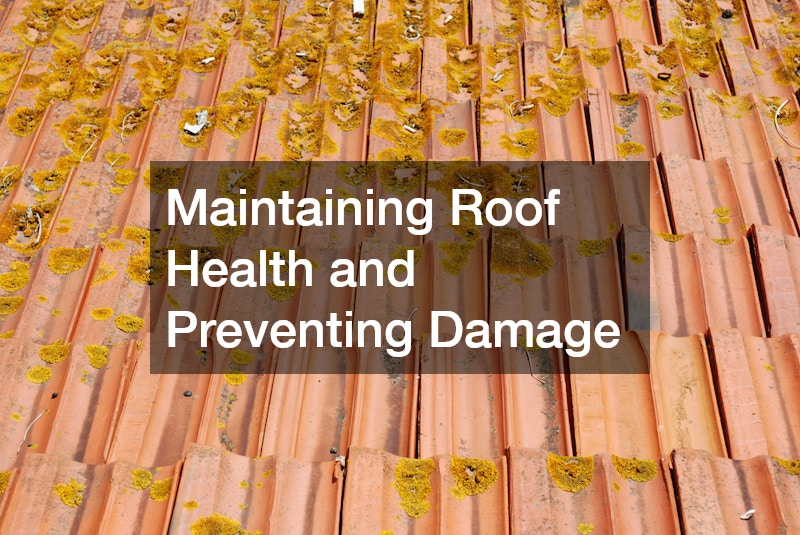
Even the best-installed roof requires maintenance to sustain performance and avoid costly repairs.
Routine Maintenance Practices
Homeowners should conduct regular roof inspections, looking for:
- Damaged, loose, or missing shingles
- Signs of water intrusion or mold
- Debris accumulation in gutters and drains
- Flashing and sealant deterioration
Routine cleaning and inspection reduce the risk of structural damage and extend the roof’s useful life. Addressing small problems early prevents expensive repairs later and maintains the home’s energy efficiency.
When and How to Perform Repairs
Timely roof repairs prevent minor issues from becoming major problems. Key considerations include:
- Identifying whether a repair is sufficient or a full replacement is needed
- Using professional roofing services to ensure proper technique and safety
- Evaluating cost versus long-term benefits for replacement decisions
Proactive maintenance and repair coordination preserve the integrity of the roof, protecting both the structure and the home’s interior. Periodic inspections after storms or severe weather events are critical for early detection of damage.
Coordinating Fencing and Roofing Projects for Maximum Protection
Planning fence and roof projects together can streamline work and improve overall home protection. Coordinated projects reduce disruptions to landscaping, prevent scheduling conflicts between contractors, and allow for more efficient budgeting.
Strategic Planning and Timing
- Prioritize critical repairs or upgrades first
- Schedule fence and roofing projects in seasons with favorable weather
- Coordinate contractors to avoid overlap or interference
Budgeting for Multiple Home Protection Projects
- Allocate funds for materials, labor, and contingency
- Consider long-term savings from durable materials and quality installation
- Plan for ongoing maintenance to protect your investment
Integrated planning ensures both fences and roofs work together to safeguard the home while enhancing aesthetics and value. Homeowners can also align warranty and service schedules for both systems to simplify long-term management.
Protecting your home requires a comprehensive approach that combines durable fencing and reliable roofing. Well-planned upgrades not only improve security and privacy but also enhance curb appeal, energy efficiency, and long-term property value. Investing in high-quality materials, hiring experienced professionals, and performing regular maintenance ensures these critical components provide lasting protection. Taking the time to evaluate materials, consider local climate conditions, and coordinate with skilled contractors prevents common issues such as premature wear, water damage, or structural instability.
By considering the home as an integrated system, homeowners can make informed decisions that balance function, aesthetics, and longevity. Properly installed and maintained fences and roofs reduce stress, prevent costly damage, and support comfortable, secure living spaces. Thoughtful planning and proactive care transform these essential elements into reliable, long-term assets, safeguarding your home and investment for years to come. In addition, regular inspections, timely repairs, and small enhancements—like protective coatings, proper drainage, and seasonal cleaning—further extend the lifespan of both fences and roofs, ensuring that the home remains safe, efficient, and visually appealing. This holistic approach promotes confidence, peace of mind, and a living environment that supports everyday comfort and long-term value.